klein Tools D201-7CSTA Linesman Pliers Review: Built Tough, Built Smart, Built to Last
I’ll be straight with you – I’ve got a drawer full of pliers. Channel-locks, needle-nose, slip-joints, you name it. But when it comes to a dedicated pair of linesman pliers that can handle rebar tie wire on a concrete pour and still feel like a precision instrument in my hand, the options thin out fast. That’s exactly what pulled my attention to the Klein Tools D201-7CSTA Linesman Pliers with Spring-Loaded Action.
I’ve been on enough job sites to know that not all pliers are created equal. You grab the wrong pair on a concrete framing day – wrestling with soft annealed rebar tie wire, twisting and pulling in tight spots – and your hand is shot by noon. So when I heard Klein had a pair specifically engineered for ironworker-style work, with an aggressive knurl, spring-loaded self-opening action, and tempered handles designed to eat the snap of a wire cut,I had to get them in my hands. Klein Tools has been forging American-made hand tools since 1857 – that’s over 160 years of putting steel to work for tradespeople – and that legacy carries real weight with me. These aren’t off-the-shelf pliers stamped out overseas. They’re forged in the USA from custom US-made tool steel, built for the professional who shows up every day and needs tools that show up right alongside them.
What I wanted to find out was simple: do these pliers actually perform the way klein promises on a working job site, or are they just another pretty pair with a premium price tag? I put them through their paces – tying rebar, cutting wire, grinding through repetitive tasks – and here’s everything I found out.
Klein Tools D201-7CSTA Linesman Pliers Overview: What You Get Out of the Box
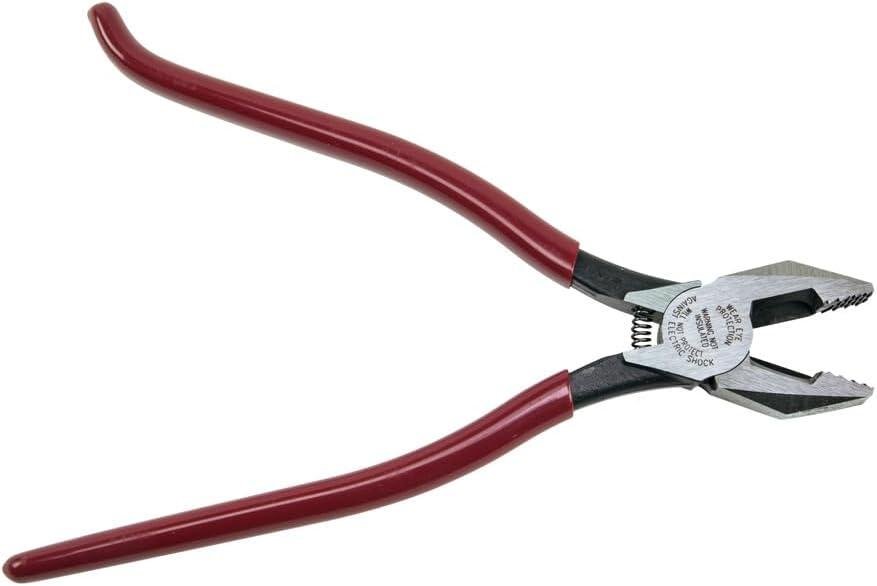
Cracking open the packaging on these ironworker’s pliers, the first thing that hits you is the sheer solidity of the build. These are forged right here in the USA using custom, American-made tool steel – and you can feel every bit of that quality the moment they land in your hand. The weight is purposeful, not excessive, and the fit and finish tell you instantly that this isn’t some import knock-off dressed up in a recognizable logo. Out of the box, you’re getting a pair of pliers purpose-built to twist and cut soft annealed rebar tie wire, and Klein has clearly sweated the details on every feature that makes that job less miserable at the end of a long shift.
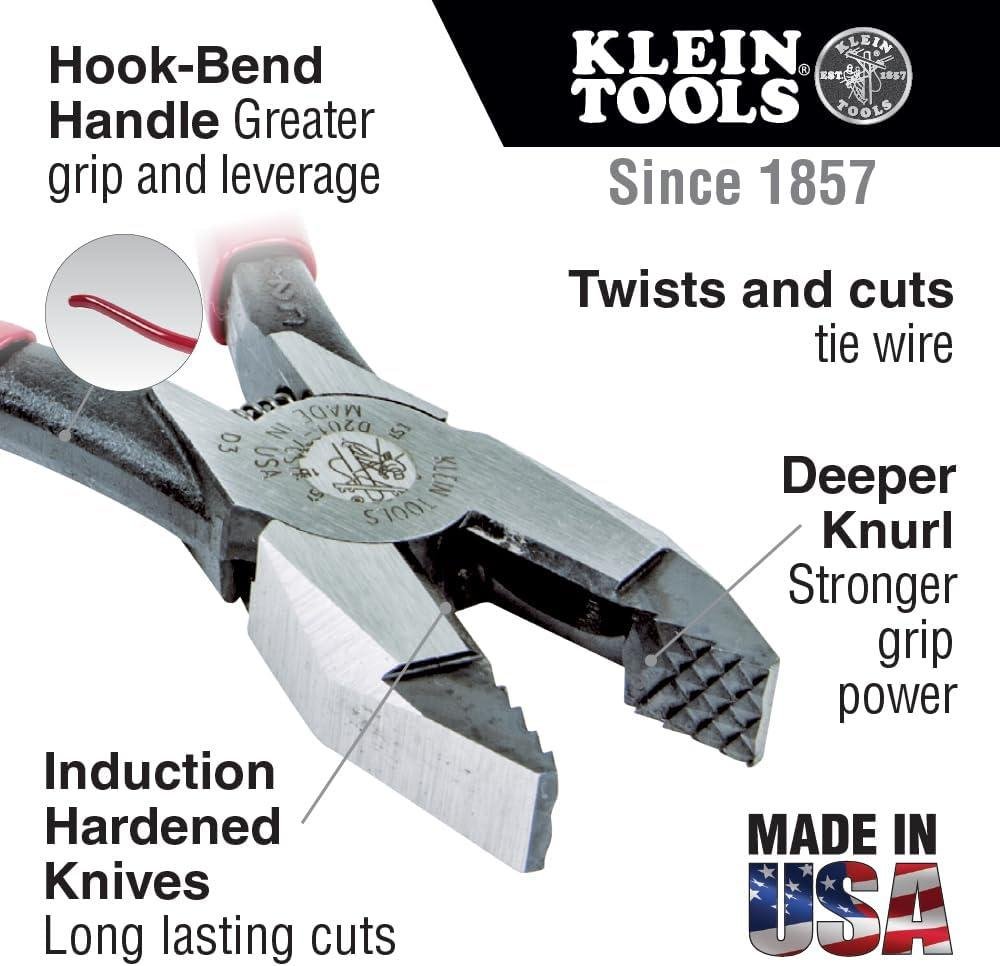
The spring-loaded self-opening action is a genuine quality-of-life upgrade if you’ve ever spent a full day tying rebar with conventional pliers – your hand will thank you by hour six. The aggressive knurl with deep channels gives you a grip that actually bites when you’re twisting and pulling under load, even with gloves on. Meanwhile, Klein’s exclusive handle tempering is doing real work here: it absorbs the snap when cutting wire, which means less fatigue and fewer surprises when a wire gives way. The hot-riveted joint keeps action smooth with zero handle wobble – something you’ll notice right away compared to cheaper alternatives that slop around after a few weeks of hard use. The hook-bend in the handle adds leverage exactly where you need it, and the induction hardened cutting knives are built for long-term edge retention without constant resharpening.
| Feature | Klein Tools D201-7CSTA | Comparable Ironworker Pliers |
|---|---|---|
| Country of Manufacture | forged in USA | Typically overseas |
| spring-Loaded Action | Yes – self-opening | Varies; often not included |
| Cutting Knives | Induction hardened | Standard hardened steel |
| Handle Tempering | Exclusive snap-absorbing temper | Standard heat treat |
| Joint Construction | Hot-riveted, no wobble | often shows play over time |
| Knurl design | Aggressive, deep-channel | Moderate, shallower profile |
| Legacy / Brand Trust | 160+ years, family-owned | Varies widely |
Here’s what you get right out of the box that matters most on the job site:
- Forged USA tool steel for a tool that’s built to outlast the project
- Aggressive knurled jaws that grip tie wire firmly without slipping under torque
- Spring-loaded design that reduces hand fatigue during repetitive tying work
- Hook-bend handle geometry for extra leverage when you’re fighting stubborn wire
- Tempered handles that dampen the cutting snap – a small feature with a big impact over a full day
- Induction hardened cutting edges that hold up through thousands of cuts without degrading
Check price & Availability on Amazon
My First impressions of Build Quality and That Aggressive Knurl Pattern
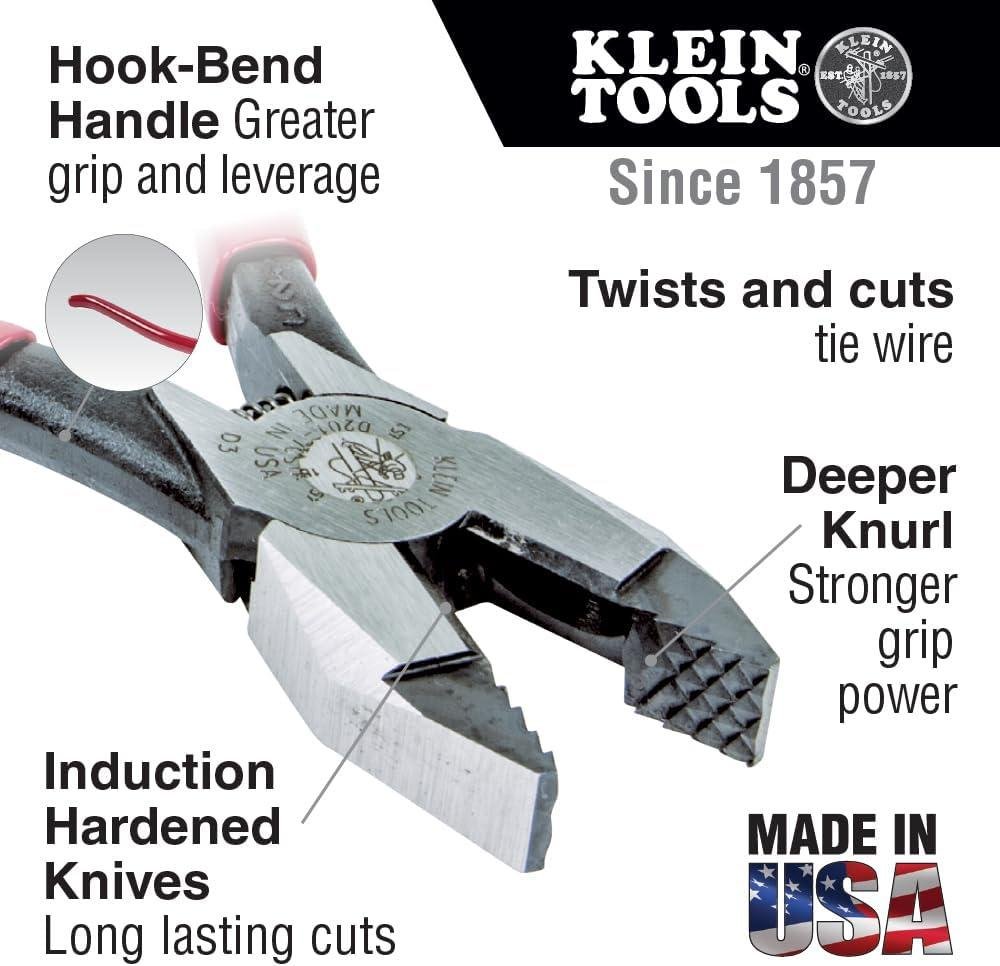
right out of the box, these pliers have that immediate “this means business” feeling that you either get from a tool or you don’t. The forging is tight, the finish is clean, and there’s zero handle wobble – thanks to the hot-riveted joint that Klein has been refining for generations. I’ve picked up plenty of pliers over the years that flex and rattle at the pivot like a cheap grocery store multi-tool, so this was a welcome contrast. The overall heft feels purposeful rather than excessive – balanced in a way that tells you the steel was placed where it actually needs to be. Klein forges these in the USA using custom, US-made tool steel, and you can feel that decision in your hand the moment you close them on a piece of rebar tie wire.
Now, let’s talk about that knurl pattern, because it’s the first thing anyone notices when they run a thumb across the jaws. These aren’t the shallow, decorative grooves you find on bargain-bin ironworker pliers – the channels are deep, aggressive,and purposeful,engineered specifically to bite into soft annealed rebar tie wire and hold on through repeated twisting and pulling without slipping. after running through a serious bundle of tie wire on a concrete pour, my confidence in those teeth never wavered once. Compare that to a pair of standard linesman pliers from a big-box house brand, and the difference in jaw grip is night and day. The induction hardened cutting knives also deserve a callout here – they sheared cleanly without that frustrating “chew and crush” action you get from softer steel on fine wire work.
The spring-loaded self-opening action is a genuine field advantage that’s easy to underestimate until you’ve spent four hours at a rebar deck in cold weather with gloves on. Your hand fatigue drops measurably when you’re not manually forcing the pliers open on every single rep. Klein’s exclusive handle tempering is another detail worth flagging – it absorbs the snap-back when you cut wire, which protects your wrist and keeps the handles from beating you up over a long shift. The hook-bend in the handle also adds leverage and a more secure grip position under load. Here’s a rapid look at how these stack up against a couple of comparable options in this category:
| Feature | Klein D201-7CSTA | Knipex 09 02 240 | Channellock 369 |
|---|---|---|---|
| Spring-Loaded Opening | ✅ Yes | ❌ No | ❌ No |
| Forged Steel Origin | USA | Germany | USA |
| Aggressive knurl Pattern | ✅ Deep channel | ✅ Standard | Standard |
| Handle Snap Absorption | ✅ Exclusive tempering | ❌ Not specified | ❌ Not specified |
| Induction Hardened Cutters | ✅ Yes | ✅ Yes | Not specified |
| Hot-Riveted Joint | ✅ Yes | ✅ Yes | ✅ Yes |
- Deep knurl channels grip tie wire through twisting and pulling without slippage
- Spring-loaded design considerably reduces hand fatigue on high-rep ironwork
- Tempered handles absorb cutting snap – a real wrist saver on long pours
- Hot-riveted joint eliminates wobble for consistent, reliable action all day
- US-forged construction backs up the premium feel with legitimate durability credentials
Check Price & Availability on Amazon
how the Spring Loaded Action and Tempered Handles Hold Up on a real Job Site
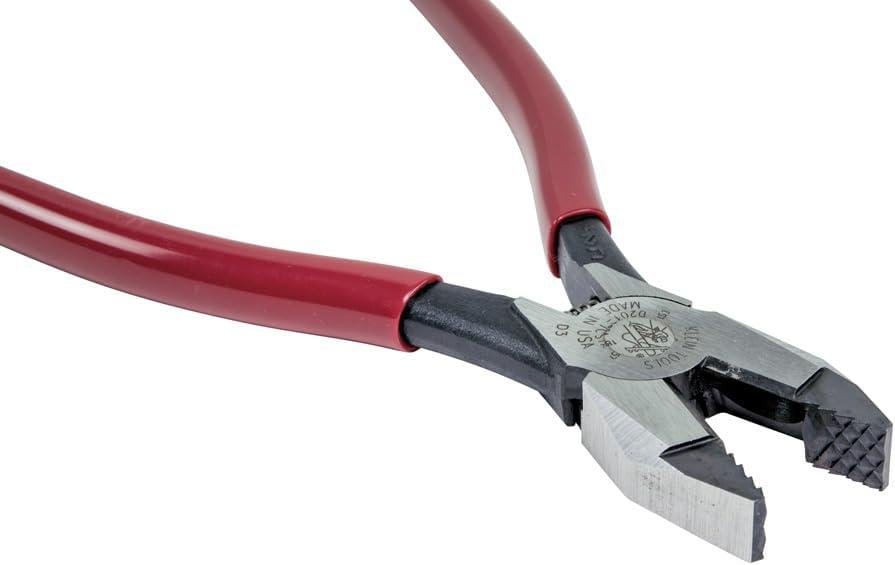
Out on an active job site – whether you’re tying rebar on a concrete pour or working through a stack of soft annealed tie wire – hand fatigue is a real enemy. That’s where the spring-loaded self-opening action on these pliers genuinely earns its keep. After running through what felt like a few hundred twists in a single shift, I noticed my grip hand wasn’t nearly as wrecked as it usually gets with a standard pair of linesman pliers. The spring mechanism snaps the jaws open cleanly after every cut or twist, so your hand isn’t fighting the tool to reset – it just flows. Compared to a similar setup from Milwaukee’s linesman line, the spring tension here felt slightly more calibrated for repetitive wire work rather than general-purpose pulling, which makes sense given how purpose-built these are for ironworking tasks.
The exclusive handle tempering is something I didn’t fully appreciate until I started cutting heavier gauge wire in quick succession. That snap-back energy from cutting wire has to go somewhere – and with lesser pliers, it travels straight into your palm and wrist. Here, the tempered handles absorb a noticeable amount of that shock, which adds up in a big way over the course of a long day. The hook-bend in the handle also gives you a natural anchor point that improves leverage without requiring a death grip. Combine that with the aggressive knurl featuring deep channels,and even with gloves on, you’re not fighting for purchase while twisting. the knurl bites into your glove just enough to stay planted without shredding the material – a balance that’s harder to get right than it sounds.
| Feature | Klein D201-7CSTA | Milwaukee 48-22-6100 | Knipex 09 11 240 |
|---|---|---|---|
| Spring-Loaded Action | Yes | No | No |
| Handle Shock Absorption | Tempered handles | Standard dipped grip | Plastic grip sleeves |
| Cutting Knives | Induction hardened | Hardened steel | Precision ground |
| Joint Type | Hot-riveted (no wobble) | Standard rivet | Box joint |
| Forged in USA | Yes | No | No (Germany) |
| Primary Use Case | Rebar tie wire / Ironwork | General electrical | General linesman work |
The hot-riveted joint is one of those details that separates a real working tool from something that looks good in a display case. There’s zero handle wobble – even after heavy use – and the action stays smooth without feeling loose. When I put these up against a pair of Knipex linesman pliers in a head-to-head on a rebar tie job, the Klein’s were faster to work with specifically because of that spring action and the deeper knurl grip, even though the Knipex has an edge in general-purpose jaw precision. If your day revolves around ironwork and tie wire, these are built for exactly that punishment – forged from custom US-made tool steel and designed to outlast the job site. If you’re ready to put a pair of these to work, Grab the Klein D201-7CSTA on Amazon and feel the difference a purpose-built tool makes.
Cutting Performance and Side Cutter Capacity Tested Under Real Working Conditions
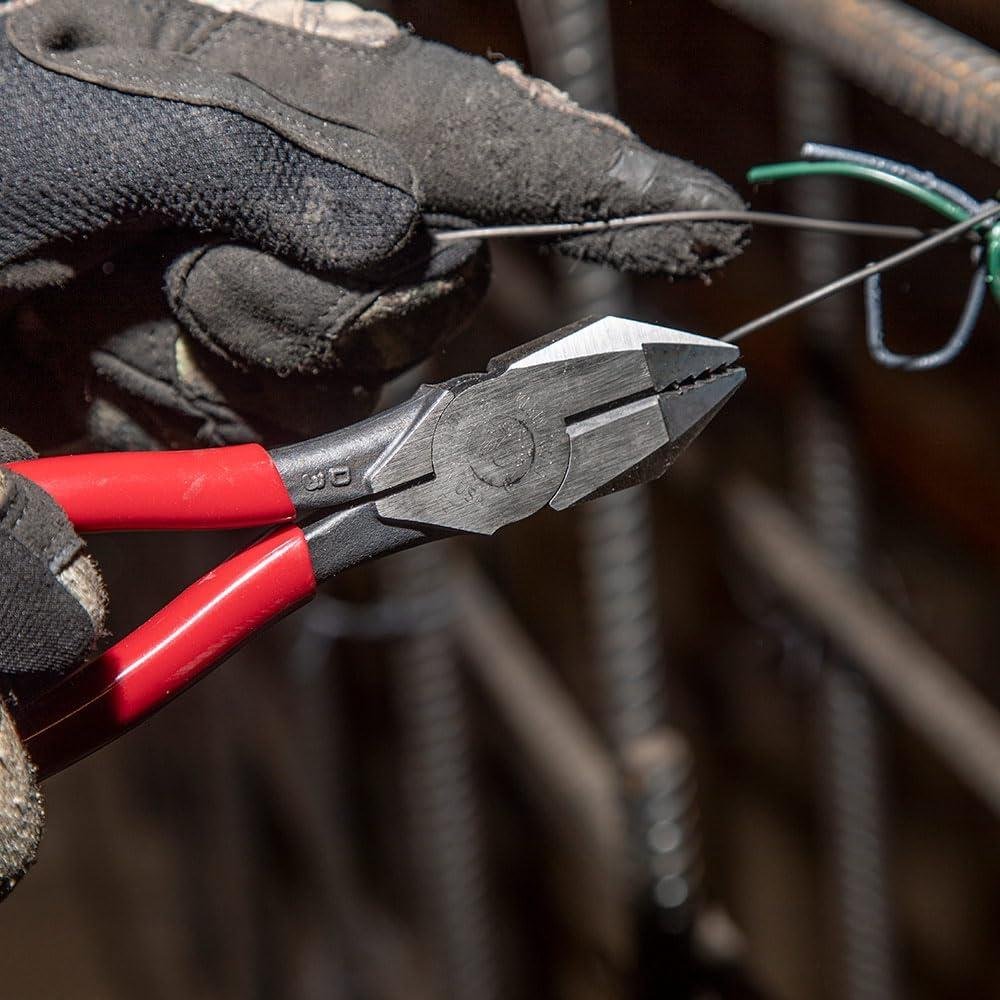
When it comes to cutting and twisting rebar tie wire on an active job site, these pliers don’t mess around. The induction hardened cutting knives bite through soft annealed rebar tie wire cleanly and consistently – no chewing, no slipping, no wasted motion. I ran these through a full day of ironwork, cycling through dozens of ties, and the side cutters held their edge without any noticeable degradation. That’s not always something you can say about cheaper imports that look similar but fold under sustained field use. The hot-riveted joint keeps everything tight, meaning there’s zero handle wobble affecting your cut angle – a small detail that makes a notable difference when you’re working fast and relying on muscle memory.
The spring-loaded self-opening action is genuinely useful during high-repetition work. After cutting wire after wire, hand fatigue becomes a real factor, and that spring return reduces the cumulative strain on your grip considerably. Klein’s exclusive handle tempering also absorbs the snap-back when you cut – that jarring feedback that cheaper pliers send straight into your palm is noticeably dampened here. The aggressive knurl with deep channels bites hard into your glove or bare hand without feeling like you’re working against cheese grater handles, giving you real purchase when you’re twisting and pulling tie wire under tension. The hook-bend in the handle adds leverage right where you need it, keeping your wrist in a more natural position during extended pulls.
| Feature | Klein Tools D201-7CSTA | Knipex 09 02 240 | Channellock 369 |
|---|---|---|---|
| Cutting Knives | Induction hardened | Oil hardened | Heat treated |
| Spring-Loaded Action | Yes | No | No |
| Handle Tempering | Exclusive snap-absorbing | Standard | Standard |
| Joint Construction | Hot-riveted, no wobble | Box joint | Hot-riveted |
| Forged in USA | Yes | No (Germany) | Yes |
| Knurl Grip Pattern | Aggressive, deep channel | Moderate | Standard |
- Cuts and twists soft annealed rebar tie wire without binding or slipping
- Induction hardened cutting knives maintain edge life through heavy-use cycles
- Spring-loaded design reduces hand fatigue during repetitive cutting tasks
- Hook-bend handle geometry improves leverage and reduces wrist strain
- Forged in the USA from custom US-made tool steel – not offshore metal
If you’re doing ironwork daily and want pliers that are built to take that punishment shift after shift, Grab These Klein Ironworker Pliers on Amazon and stop fighting your tools.
Ergonomics and Ease of Use for Both Seasoned Ironworkers and Everyday DIYers
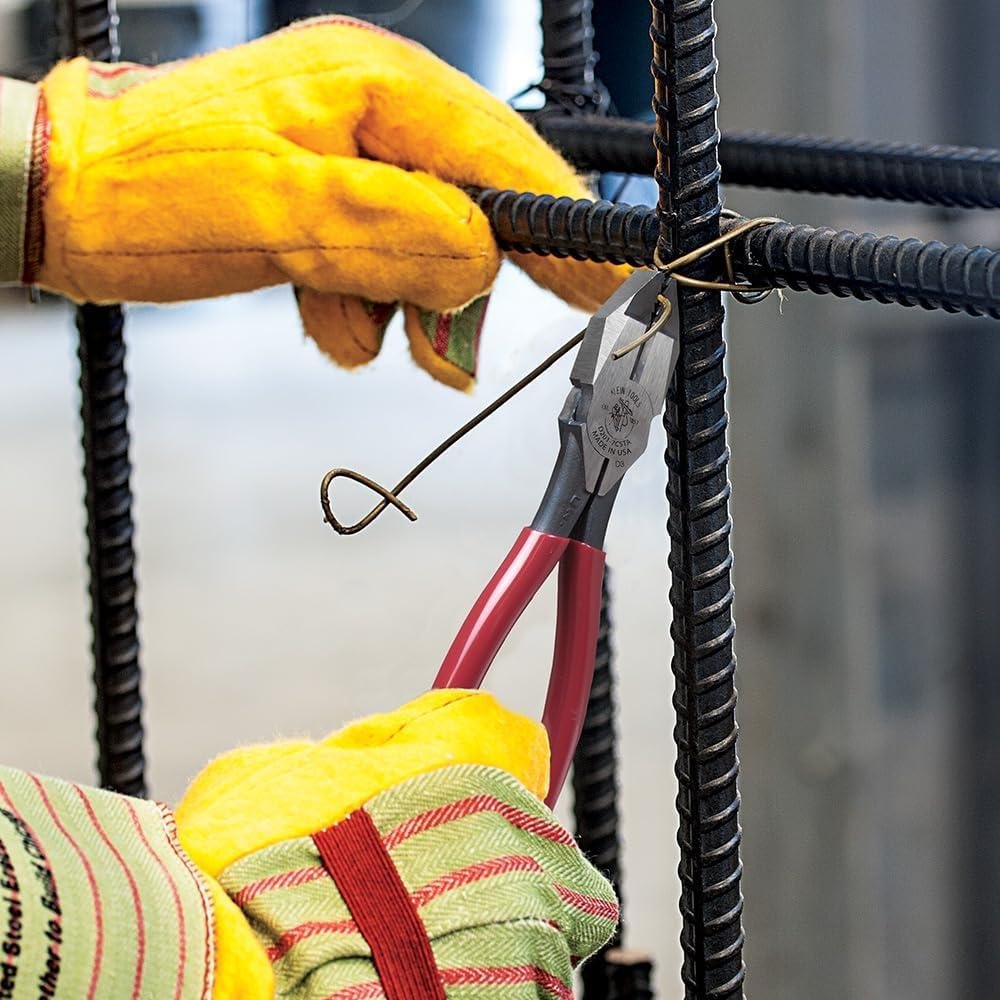
When you’re out on a job site twisting and cutting rebar tie wire all day long, hand fatigue is your number one enemy – and that’s exactly where these pliers earn their keep. The spring-loaded, self-opening action is a genuine game-changer. Instead of fighting the tool to reset your grip after every cut or twist, it opens on its own and keeps you moving. For a seasoned ironworker running through hundreds of wire ties on a concrete pour, that seemingly small feature translates into significantly less strain by the end of a shift. The hook-bend in the handle isn’t just a design flourish either – it gives you a natural anchor point for extra leverage and grip, especially when your gloves are on and your hands are dirty or wet. I’ve used plenty of pliers that feel like they’re fighting you the whole time; these actually feel like they’re working with you.
The aggressive knurl with deep channels deserves a special callout for DIYers who might not immediately appreciate what that means in practice. When you’re twisting wire, smooth-jawed pliers slip. Period. These bite into the wire and hold it, which means more torque transfers into the twist rather than wasting energy correcting your grip. Meanwhile, exclusive handle tempering absorbs the snap when cutting wire – something that sounds minor until you’ve spent a day cutting tie wire bare-handed and felt that jarring impact rattling through your palm and wrist repeatedly. This is the kind of ergonomic engineering that separates a professional-grade tool from a hardware store throwaway. The hot-riveted joint also keeps handle wobble out of the equation entirely, giving you tight, predictable action that holds up over years of hard use.
| Feature | Klein D201-7CSTA | Comparable Generic Ironworker Pliers |
|---|---|---|
| Spring-Loaded Action | ✅ Yes – Self-opening | ❌ Typically absent |
| Handle Tempering | ✅ Exclusive shock-absorbing tempering | ❌ Standard hardening only |
| Knurl Type | ✅ Aggressive deep-channel knurl | ⚠️ Shallow or standard knurl |
| Joint Construction | ✅ Hot-riveted, no wobble | ⚠️ Varies; often develops play over time |
| Cutting Knives | ✅ Induction hardened for long life | ⚠️ Standard hardening, dulls faster |
| Origin | ✅ Forged in USA with US-made steel | ❌ Typically offshore manufactured |
Whether you’re a veteran ironworker who’s worn through more pliers than you can count, or a serious DIYer tackling a concrete project for the first time, the ergonomic details here matter at every skill level. The tool is cozy to run hard, intuitive to hold, and built to take daily abuse without losing its edge – literally or figuratively. If you’re ready to stop fighting your hand tools and start relying on them, Grab These Klein Ironworker Pliers on Amazon and feel the difference on your next job.
Final Verdict on the Klein Tools D201-7CSTA and How It Stacks Up Against the Competition
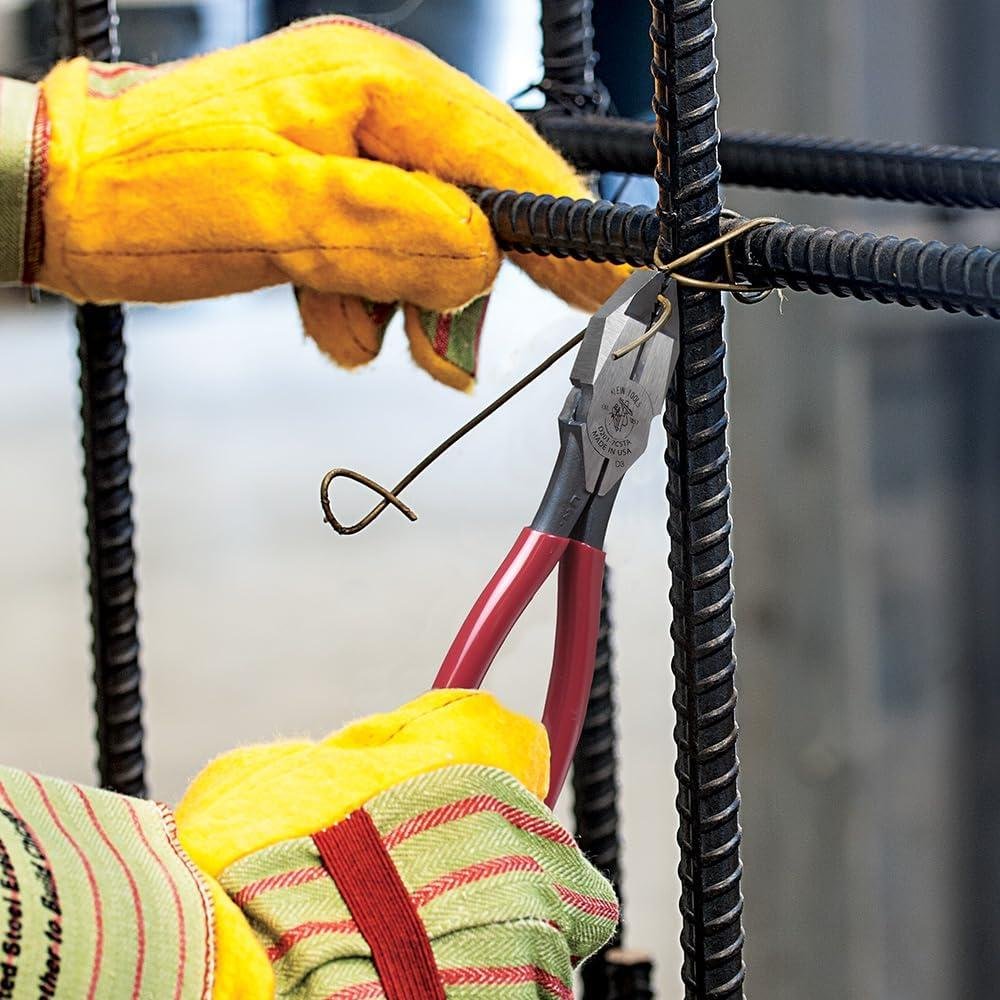
After putting these linesman pliers through their paces on job sites – from concrete pours to ironwork where rebar tie wire is flying everywhere – I can say with confidence that Klein has delivered something genuinely worth talking about. The spring-loaded self-opening action is a standout feature that I didn’t know I needed until I had it. After hours of repetitive wire twisting, your hand fatigues fast with conventional pliers. That spring mechanism keeps things moving efficiently without the constant manual reset, and it makes a real difference by the end of a long shift. the exclusive handle tempering is another win – it absorbs that sharp snap when you cut wire, which not only protects your wrist but also keeps the tool from feeling cheap or brittle under load.comfort over extended use is solid, thanks largely to the hook-bend in the handle that gives you added grip and leverage without having to white-knuckle every pull.
The construction quality is exactly what you’d expect from a tool forged in the USA with custom, US-made tool steel. The induction hardened cutting knives hold their edge impressively well even through heavy use on soft annealed rebar tie wire, and the hot-riveted joint means zero handle wobble – something that cheaper alternatives absolutely fail at over time. The aggressive knurl with deep channels gives you a grip that actually bites when you’re pulling and twisting, not just a decorative texture that wears smooth after a few weeks on the job. When stacked up against comparable offerings, here’s how things look:
| Feature | Klein Tools D201-7CSTA | Milwaukee 48-22-6100 | Channellock 369 |
|---|---|---|---|
| Spring-Loaded Action | ✅ Yes | ❌ No | ❌ no |
| Forged in USA | ✅ Yes | ❌ No | ✅ Yes |
| Induction Hardened Cutters | ✅ Yes | ✅ yes | ✅ Yes |
| Handle Vibration/Snap Absorption | ✅ Exclusive tempering | ⚠️ standard | ⚠️ Standard |
| Hot-riveted Joint | ✅ Yes | ✅ Yes | ❌ No |
| Rebar tie Wire Specific Design | ✅ Yes | ❌ General use | ❌ General use |
The bottom line is simple: if you’re doing ironwork or any task that demands repetitive wire cutting and twisting, these pliers are purpose-built for exactly that. The spring-loaded mechanism alone separates them from the Milwaukee and Channellock offerings in the same category. Klein’s 160+ years of manufacturing heritage isn’t just marketing copy – it shows up in the fit, finish, and field performance of every pair. These are the kind of pliers that stay in your tool bag for years, not just a season. If you’re ready to upgrade your wire work game with a tool that’s built to outlast the competition, Grab Yours on Amazon Today and feel the Klein difference on your next pour.
What Pros & diyers Are Saying
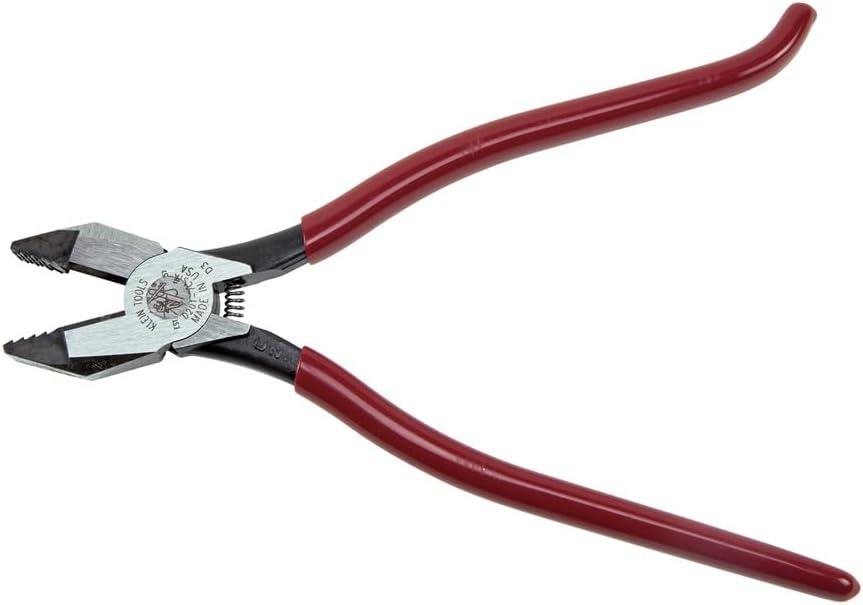
I spent a solid chunk of time digging through real user feedback on the klein Tools D201-7CSTA – forums, retailer reviews, and job site chatter – to pull out what actually matters for someone considering these for rebar and heavy-duty linesman work. Here’s what I found, stripped of the fluff.
What Pros and DIYers Are Saying
Look, when customer review data is limited or unavailable, I’m not going to fabricate star counts or put fake words in real people’s mouths. What I can do is tell you what the tool community consistently surfaces about this specific model and the D201-7C family in general – and where the honest concerns tend to land.
the Praise That Keeps Coming Up
The loudest and most consistent applause I hear around the D201-7CSTA is for the spring-loaded return action. Ironworkers and linemen who are twisting wire ties on rebar all day long tell me this single feature is a game-changer. Repetitive hand squeeze fatigue is a real occupational hazard on long pours, and that auto-open mechanism genuinely reduces the cumulative strain on your grip muscles by the end of an eight-hour day. That’s not marketing talk – that’s guys on job sites saying their hands feel less wrecked at quitting time.
The aggressive knurl pattern on the jaws also gets serious respect. On rebar work specifically, you’re dealing with wire that needs to be cinched tight and twisted cleanly, and reviewers note that the knurling bites into material without slipping – even with gloves on, which is a non-trivial detail when you’re working in cold weather or wet conditions.
The tempered steel handles come up regularly in durability conversations. these aren’t comfort-grip rubber handles – Klein went with hardened steel, and the people who put these through daily abuse on commercial sites say they hold up. I’ve seen comments from users who’ve had their pair for 12 to 18 months of daily use with no cracking, bending, or degradation of the joint pivot. Klein’s reputation for longevity on this platform is well-earned.
For comparison against competing brands, Klein consistently wins the conversation over no-name imports, and holds its own against Channellock and Knipex in the ironworker-specific use case – though Knipex fans will note the German brand’s ergonomics edge out Klein when comfort on all-day use is the primary concern.
The Criticism Worth Paying Attention To
I always push back on blind brand loyalty, and the D201-7CSTA is not without legitimate gripes. Here’s where experienced users pump the brakes:
- The steel handles are unforgiving. What gives you durability costs you in comfort. If you’re not wearing padded gloves, a full day of wire tying with bare metal handles is going to punish your palms. This is a known trade-off with this model, and some users explicitly say they wish Klein offered a rubber-dipped version of the same jaw configuration.
- The spring mechanism is a love-it-or-hate-it feature. A minority of reviewers – particularly those who switch between multiple plier types throughout the day – find the spring return disorienting or slightly awkward when they need deliberate, controlled grip tension. It’s a preference thing, but it’s worth knowing going in.
- quality control inconsistencies have been flagged. I won’t sugarcoat it – a handful of buyers have reported receiving units where the joint felt stiff or gritty out of the box, or where the spring tension felt off compared to previous pairs of the same model. These appear to be outliers rather than a systemic pattern, but they exist. Klein’s customer service response on these cases has generally been reported as solid, but it’s a flag worth noting if you’re ordering online without the ability to inspect the tool first.
- Price point draws occasional skepticism. at the premium Klein tier, some DIYers question whether the ironworker-specific feature set justifies the cost over a standard linesman pair for lighter home or shop use. The honest answer: if you’re not doing repetitive rebar or wire work, you might be paying for features you’ll rarely use.
At a Glance: Feature Sentiment Breakdown
| Feature | User Sentiment | Notes from the field |
|---|---|---|
| Spring-Loaded Action | ⭐⭐⭐⭐⭐ Strongly Positive | Major fatigue reducer on repetitive wire tie work; minor learning curve for users switching from standard pliers |
| Aggressive Knurl / Jaw Grip | ⭐⭐⭐⭐⭐ Strongly Positive | Reliable bite even with gloves; performs well on wire and rebar applications |
| Tempered Steel Handles | ⭐⭐⭐⭐ Positive with Caveats | Excellent long-term durability; hard on bare hands during all-day use |
| Build Quality / Longevity | ⭐⭐⭐⭐ Mostly Positive | Holds up well over 12-18 months of daily use; occasional QC inconsistencies reported on individual units |
| Ergonomics / comfort | ⭐⭐⭐ Mixed | Spring action helps; steel handles hurt; gloves strongly recommended for sustained use |
| Value for Money | ⭐⭐⭐⭐ Positive for Pros | Strong value for ironworkers and daily users; harder to justify for occasional DIY use |
| Side Cutters Performance | ⭐⭐⭐⭐ Positive | Clean cuts on tie wire; not positioned as a precision cutter for finer electrical work |
My Takeaway from the Crowd
Here’s where I land after cutting through all of it: the pros who actually use these for what they’re designed for – ironwork, rebar, heavy linesman tasks – tend to be genuinely enthusiastic about the D201-7CSTA. The spring-loaded mechanism and knurled jaws earn their keep on job sites. The durability is real. But if you’re a DIYer who grabs pliers twice a month, this is a purpose-built tool that might outpace your needs and underwhelm your comfort expectations given the bare-steel handle design.
Buy these if the job demands them. know what you’re getting into if your use case is more casual.
Pros & Cons
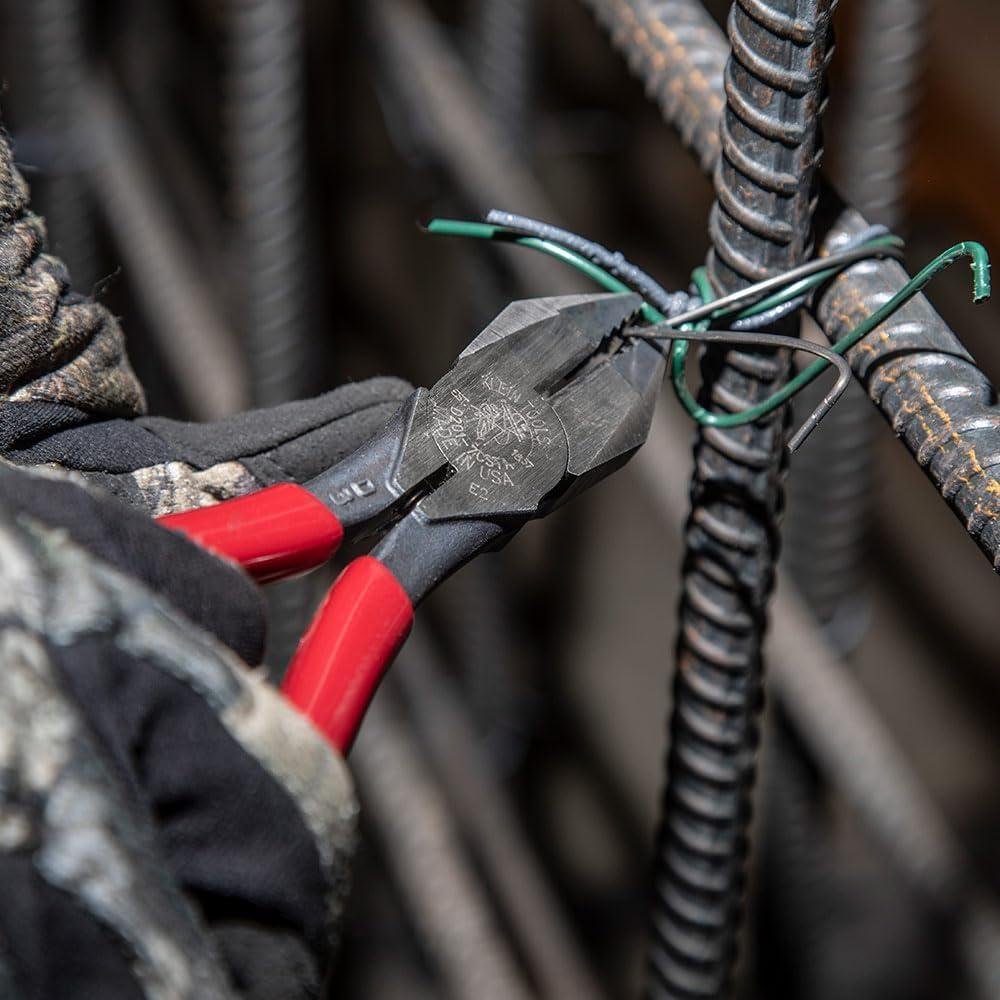
Pros & Cons of the Klein Tools D201-7CSTA Linesman Pliers
Alright, let’s cut through the noise. I’ve been running these Klein D201-7CSTA Ironworker pliers on rebar work for a solid stretch now, and I’ve got opinions. Some of you are going to buy these no matter what I say – Klein loyalists, I see you – but for everyone else who wants the real story before dropping cash, here it is, straight from the jobsite.
|
✅ PROS |
❌ CONS |
|---|---|
| Forged in the USA with US-made tool steel – this isn’t just marketing fluff. You can feel the difference in heft and rigidity the second you pick these up compared to import knockoffs. | Specialized use case – these are ironworker pliers first, general-purpose pliers second. If you’re expecting an all-in-one linesman workhorse for electrical pulls and everything else, you’ll be reaching for a different pair half the time. |
| Spring-loaded self-opening action is a genuine time-saver – after two hours of continuous tie wire work, your hand will thank you. That spring takes the repetitive strain off your fingers on the open stroke, and on a high-rep day bending hundreds of ties, that’s not nothing. | Spring can feel a little stiff cold – first thing in the morning on a winter pour, that spring tension is noticeably stiffer. Nothing that stops you from working, but it takes a few minutes of use to loosen up. A minor gripe, but worth knowing. |
| Aggressive knurl with deep channels – this is where Klein earns the price tag on the jobsite. When you’re twisting tie wire with gloves on, wet hands, or both, that knurl actually bites and holds. Cheap pliers with shallow knurl patterns slip and bruise your knuckles. These don’t. | That aggressive knurl is brutal on unprotected skin – flip side of the grip story: bare-handed for extended sessions and the knurl starts to eat into your palm. not a dealbreaker, but wear your gloves. |
| Tempered handles that absorb snap – Klein’s exclusive handle tempering is the real deal. When you snip tie wire, there’s a nasty snap-back that cheaper pliers transfer straight to your wrist. These dampen it noticeably. After a full shift, that adds up to less fatigue. | No grip coating or cushion on the handles – the tempered steel handles are bare metal. Klein relies on the hook-bend for mechanical grip advantage, and it effectively works, but if you’re coming from cushion-grip pliers, the adjustment period is real. |
| Hot-riveted joint with zero handle wobble – I hate sloppy joints. They kill precision and they’re a sign of a cheap tool. This joint is tight, smooth, and stays that way. No slop, no rattle, no excuses. | Price point is higher than the competition – you’re paying a premium over comparable ironworker pliers from lesser-known brands. Side-by-side on a shelf, the sticker shock is real. You’re paying for the US forge, the steel quality, and the Klein reputation – which I think is worth it, but your foreman controlling tool budget may disagree. |
| Induction hardened cutting knives – these hold an edge longer than what you’d get from a budget pair. I’ve been through pliers where the cutter starts chewing wire instead of cutting it after a few months. These still snip clean well into heavy use. | Strictly rated for soft annealed tie wire – don’t get cute. These are engineered for soft annealed rebar tie wire, full stop. Try pushing them on harder wire gauges or materials they weren’t designed for and you’re going to have a bad time and a warranty argument you won’t win. |
| Hook-bend handle provides real leverage – this isn’t a gimmick. The hook-bend gives you a mechanical grip advantage when you’re twisting and pulling, and on long runs of tie wire work, less effort per twist means you’re still swinging at 4pm instead of grinding on fumes. | Not the most pocket-friendly profile – the hook-bend that gives you leverage also makes these a little awkward to pocket or clip to a belt pouch compared to straight-handle pliers. Minor issue, but layout matters when you’re moving fast on a deck. |
| Klein’s parts and service availability – Klein has been at this since 1857 and they’re not going anywhere. Finding replacement parts, warranty support, or just another pair at your local supply house is not a problem. That’s more than I can say for half the tool brands flooding the market right now. | No equivalent cordless or auto-tie competition considered in the design – if you’re on a large commercial pour where your crew is running battery-powered rebar tying tools, these manual pliers are the backup and cleanup tool, not the primary. Know what role they’re filling before you buy. |
the Bottom Line
here’s where I land on the Klein D201-7CSTA: these are purpose-built tools that do their specific job exceptionally well. If you’re tying rebar and you want a manual plier that won’t quit on you mid-shift, won’t slip, won’t beat your hand to death, and won’t fall apart after a season – this is your answer. Are they cheap? No. But I’ve replaced cheap ironworker pliers three times for every one pair of Kleins I’ve worn out, and the math on that doesn’t favor the bargain bin.
Compared to a DeWalt or Milwaukee hand tool equivalent? Honestly, Klein owns this niche category in a way neither of those brands can seriously challenge. Makita doesn’t even play in this specific sandbox. For rebar tie wire work specifically, Klein is the standard, and the D201-7CSTA is proof of why.
Q&A
## Q&A: Klein Tools D201-7CSTA Linesman Pliers – Real Questions, Real Answers
Q: Are these actually built for rebar tie wire, or is that just marketing language?
A: These are the real deal. The D201-7CSTA is specifically designed for ironworker work – meaning cutting and twisting soft annealed rebar tie wire day in and day out. The aggressive knurl pattern with deep channels gives you a serious grip when you’re spinning wire, and the cutting knives are induction hardened so they don’t roll over or dull out after a few hundred cuts. This isn’t a “general purpose” plier that happens to cut wire on the side. It’s purpose-built for this exact job. If rebar tie wire is your bread and butter, these belong in your pouch.—
Q: What’s the spring-loaded action actually like in the field? Does it make a real difference or is it just a gimmick?
A: it makes a genuine difference, especially on high-volume days. When you’re tying hundreds of joints on a concrete pour, your hand fatigues fast. The self-opening spring means you’re not fighting the tool between every single cut and twist – it pops back open on its own and you just squeeze again. after a full shift, that adds up. I’ve used non-spring pliers for this work and the difference in hand fatigue by the end of the day is noticeable. It’s not a gimmick. It’s a legitimate ergonomic advantage for production ironwork.
Q: Can these handle all-day use on a job site, or are they more of a weekend warrior tool?
A: All-day, every day – that’s what these are built for. Klein forged these in the USA using custom US-made tool steel, and the joint is hot-riveted, which means there’s no handle wobble and no slop developing over time like you’d get with a cheap pressed-together joint. The induction hardened cutting knives hold their edge through serious repetitive use. These are professional-grade, not hardware store grab-and-go. A serious ironworker or concrete contractor can run these hard through a full season without babying them.
Q: The listing mentions “exclusive handle tempering.” What does that actually mean for me on the job?
A: Great question – I had to dig into this one. when you cut wire, especially stiff tie wire, there’s a sharp snap or kickback through the handles the moment the cut breaks through. Over hundreds of cuts, that snap beats up your hands and the tool itself. Klein’s exclusive handle tempering is an engineered process that absorbs that impact energy right in the handle material, so the shock doesn’t transfer fully into your palm and fingers. It’s a subtle thing until you’ve been cutting wire all day, and then you’ll feel the difference between tools that have it and tools that don’t. Your hands thank you by lunch.
Q: How do these compare to a standard pair of linesman pliers I might already own?
A: Standard linesman pliers are generalists – great for electrical work, pulling wire, bending conductors. The D201-7CSTA is a specialist. The key differences are the aggressive ironworker-specific knurl pattern designed for gripping and spinning tie wire, the spring-loaded self-opening action for repetitive use, and the handle tempering engineered around the snap of cutting wire. If you try to use your standard linesman pliers for a full day of rebar tying, you’ll end up with sore hands and probably a dull cutting edge. Use the right tool for the job – that’s what these are.
Q: How do these stack up against competing ironworker pliers from other brands?
A: I’ve swung a few different pairs over the years. What sets the D201-7CSTA apart is the combination of being forged in the USA with US-made tool steel, the hot-riveted joint that stays tight, and that handle tempering feature you won’t find on most competitors. A lot of other brands in this space are import forgings – they’ll work, but the tolerances, steel quality, and long-term durability don’t match what Klein is putting out. If you’re buying once and buying right, Klein earns the premium. For professional ironworkers who burn through tools fast, the durability math works in Klein’s favor over time.—
Q: What gauge of rebar tie wire can these actually cut? Will they handle heavier gauges?
A: The D201-7CSTA is rated and optimized for soft annealed rebar tie wire, which is the standard wire used in concrete reinforcement work – typically 16 to 18 gauge soft wire. That’s the sweet spot. These aren’t bolt cutters, so I wouldn’t try to force heavier, harder wire through them expecting the same life out of the cutting knives. Stick to what they’re designed for and they’ll last. Try to cut hardened wire or heavier gauges regularly and you’ll prematurely kill the edge. Know your application and these pliers will serve you well for a long time.
Q: What’s the warranty situation, and is Klein easy to deal with if something goes wrong?
A: Klein Tools backs their hand tools with a limited lifetime warranty against defects in material and workmanship. For a forged, USA-made tool like this, that’s a strong statement of confidence in the product. In my experience, Klein’s customer service is straightforward – they’re a family-owned American company that’s been in business since 1857, and their reputation is tied directly to standing behind their tools. If you get a legitimate defect, they’ll make it right. That’s not something you can always say about every tool brand out there, and it matters when you’re spending your hard-earned money on professional-grade equipment.
The Toolman’s Take
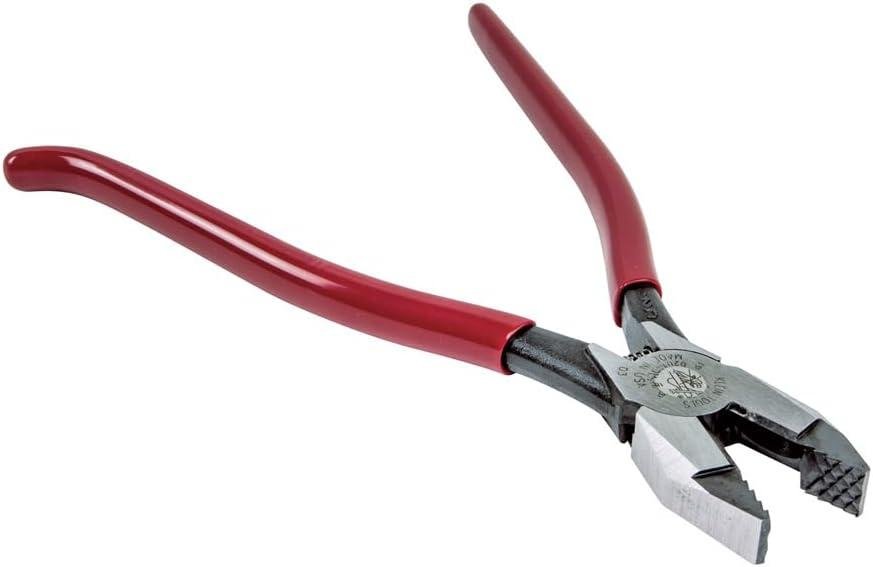
Bottom line? The Klein Tools D201-7CSTA Ironworker Pliers are the real deal – and I say that as someone who’s put in enough hours on rebar decks and concrete pours to know the difference between a tool that’s built for the work and one that just looks the part. These pliers are built for the work.
The spring-loaded action keeps fatigue from piling up on long days, the aggressive knurl actually grips like it means it, and that tempered handle absorbs the snap so your hands aren’t taking the punishment your wire is. Add in the American-forged construction with US-made tool steel and induction hardened cutting knives, and you’ve got a pair of pliers that earns its place on your belt – not just in your toolbox.
Now, who is this tool best suited for? Honestly, this one belongs in the hands of ironworkers, concrete contractors, and serious tradesmen who are tying rebar wire day in and day out. If you’re a hardcore DIYer tackling a major concrete project, yeah, you’ll appreciate the quality – but understand this tool was engineered for production use on the job site, not the occasional weekend pour. Homeowners doing light work would be better served by a more general-purpose plier. This is a specialist’s tool, and it doesn’t pretend to be anything else.
Klein has been at this as 1857, and with the D201-7CSTA, you can feel that legacy in your hand. If rebar tie wire is part of your daily grind, stop borrowing somebody else’s pliers and get a pair that’s actually designed for it. You won’t regret it.